Frozen Roses 🥀
The Wars of the Roses: Battle of Towton.

The Wars of the Roses had torn England apart, with two royal houses—York and Lancaster—locked in a deadly struggle for the crown.
By Palm Sunday, March 29, 1461, tensions had reached their breaking point. Two massive armies converged near the village of Towton in Yorkshire, prepared to settle the dispute in blood.
The Battle of Towton isn't just another dusty medieval conflict—it represents one of the most brutal and decisive engagements in English history, a day when tactical brilliance and ruthless execution changed the course of a nation.
Letz go 👯♀️
Weather as a weapon
I've always believed that true tactical genius comes from turning disadvantages into advantages.
The Yorkists under Edward IV did exactly this at Towton.
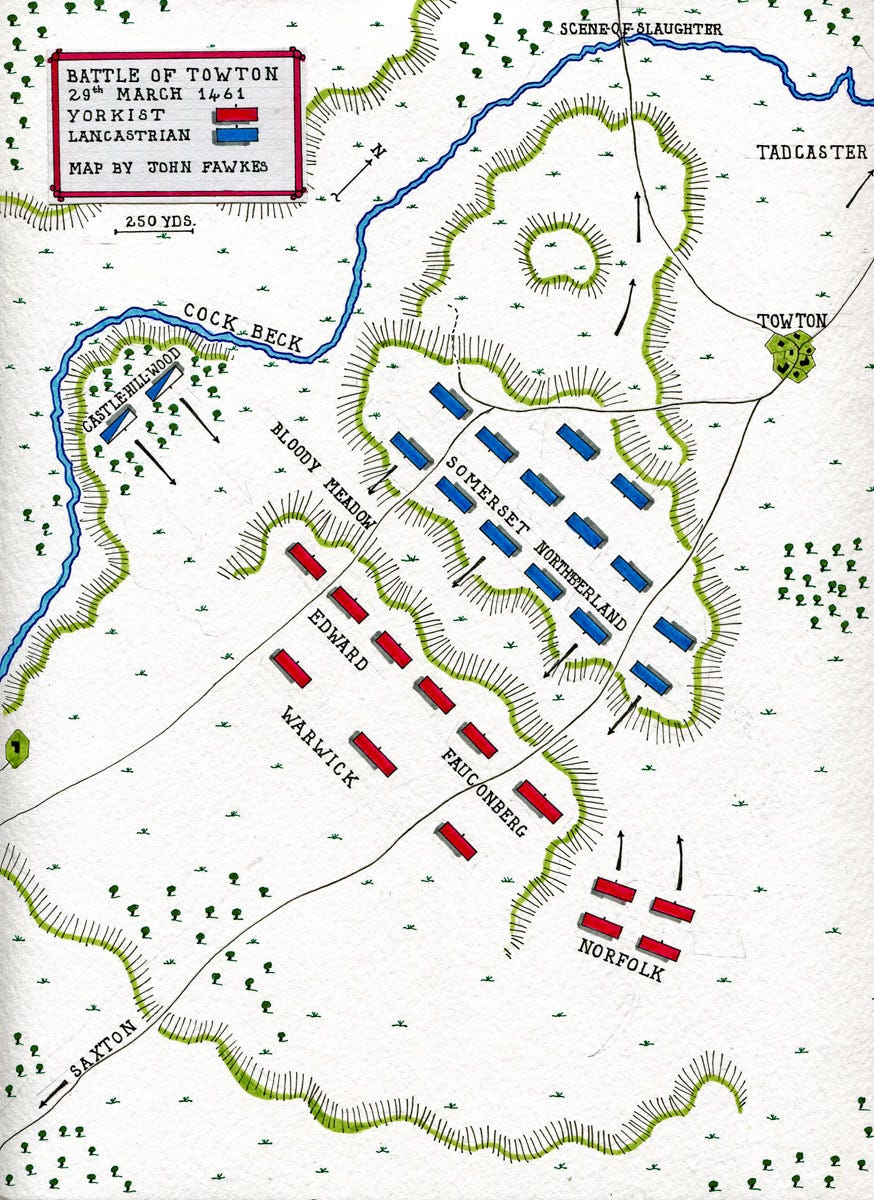
When the armies faced each other across a snow-covered field, a howling blizzard blew directly into the faces of the Lancastrian forces. Most commanders would see this as a problem to overcome, but Lord Fauconberg, the Yorkist archery commander, saw an opportunity.
He ordered his archers to loose volleys with the wind at their backs, sending arrows flying much farther than usual. When the Lancastrians attempted to return fire, the headwind caused their arrows to fall short. In a stroke of brilliance, Fauconberg then had his men collect the enemy's spent arrows and fire them back—a devastating psychological blow that demonstrated resource ingenuity under pressure.
The flank and counter-flank
The Lancastrians weren't without tactical acumen. They executed a daring cavalry charge through Castle Hill Wood that caught the Yorkist left flank by surprise. This maneuver temporarily buckled Edward's line and nearly turned the tide of battle.
What prevented disaster was Edward IV's immediate counter-response.
Rather than issuing orders from safety, the young king—towering at 6'4" and just 18 years old—personally galloped into the fray, weapon in hand. His presence rallied the wavering troops and stabilized the line, demonstrating how decisive leadership can neutralize tactical vulnerabilities.
Reinforcement
The most critical invasion tactic came late in the day. After hours of grueling hand-to-hand combat, with both sides locked in a bloody stalemate, the Duke of Norfolk arrived with fresh Yorkist troops. He launched them directly into the exhausted Lancastrian flank.
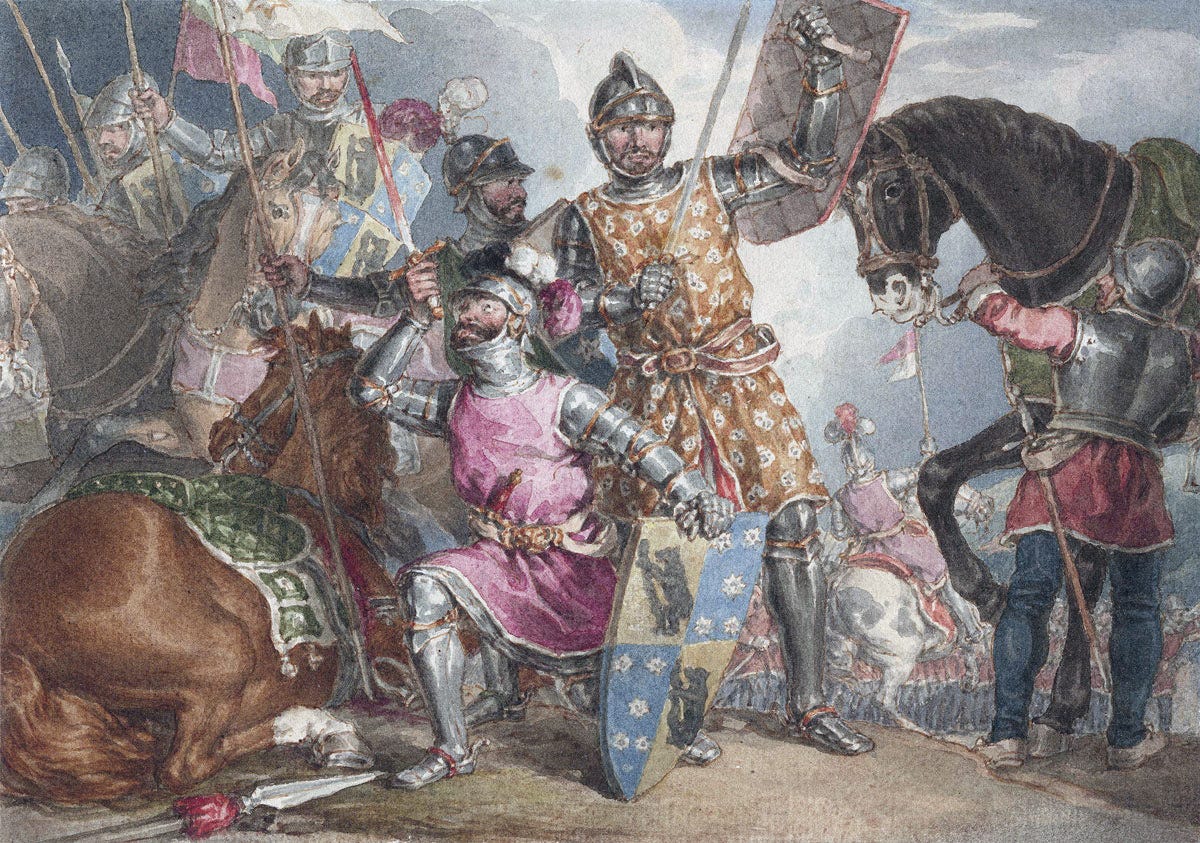
This perfectly timed flanking maneuver shattered the Lancastrian resistance. What began as an orderly retreat rapidly collapsed into a chaotic rout, with fleeing soldiers crowding narrow river crossings in their desperation to escape.
No quarter given
Perhaps the most chilling aspect of Towton was the pre-battle agreement: no quarter would be given. This ruthless commitment meant the battle would be fought to the death, with no prisoners taken.
When the Lancastrian line finally broke, Yorkist forces pursued the fleeing enemy relentlessly. The slaughter continued for miles, with thousands cut down from behind or drowned attempting to cross icy streams. Archaeological evidence reveals victims with multiple wounds—far more than needed to kill—indicating a "frenzied slaughter" that went beyond military necessity into the realm of vengeance.
Towton's lessons for today
1. Environmental awareness and adaptation
Just as Fauconberg turned the blizzard to his advantage, successful professionals must recognize how external conditions affect their strategies.
Most startups face much larger incumbent competitors with established market positions. Rather than competing head-on, identify environmental factors they struggle with—specifically, rapid technological changes they were too bureaucratic to address quickly. By positioning your company as nimble adaptation specialists, you can turn their environmental challenge into an opportunity.
2. Resource optimization
The recycling of enemy arrows demonstrates brilliant resource management. In today's business environment, identifying underutilized assets and repurposing them can create decisive advantages.
A company facing supply chain disruptions might implement a system to refurbish returned products, turning waste into inventory instead of relying on costly new suppliers.
3. Visible leadership
Edward IV's personal intervention at the critical moment saved his left flank from collapse. In professional settings, leaders who visibly engage during crises rather than retreating to conference rooms inspire confidence and maintain momentum.
During early Model 3 production struggles, Elon Musk slept on the factory floor and worked with engineers to resolve issues, accelerating solutions and boosting team morale through hands-on leadership.
4. Strategic reinforcement
Norfolk's arrival with fresh troops shattered the stalemate. In business, identifying when and where to deploy specialized teams or resources can break through seemingly intractable challenges.
Netflix broke through early streaming growth stagnation this way by bringing in a specialized data science team. Their machine learning algorithms uncovered new viewer patterns, leading to the personalized recommendation engine.
5. Commitment to outcomes
The "no quarter" policy, while brutal, ensured total commitment from all participants. In professional contexts, clear articulation of non-negotiable goals creates focus and eliminates half-measures.
A real-life example is Satya Nadella’s early decision as Microsoft CEO to shut down legacy projects like Windows Phone. By eliminating misaligned efforts outright, he prevented organizational backsliding and accelerated the company’s pivot to a cloud-first strategy.
Lessons in what to not do 🙂↔️
While Towton offers brilliant insights, it also provides sobering lessons about the human costs of conflict—whether military, political, or professional.
Towton’s slaughter was so extreme that streams ran red and bodies formed a "Bridge of Bodies" across Cock Beck. Excavated remains show brutal overkill—skulls split and corpses with dozens of wounds.
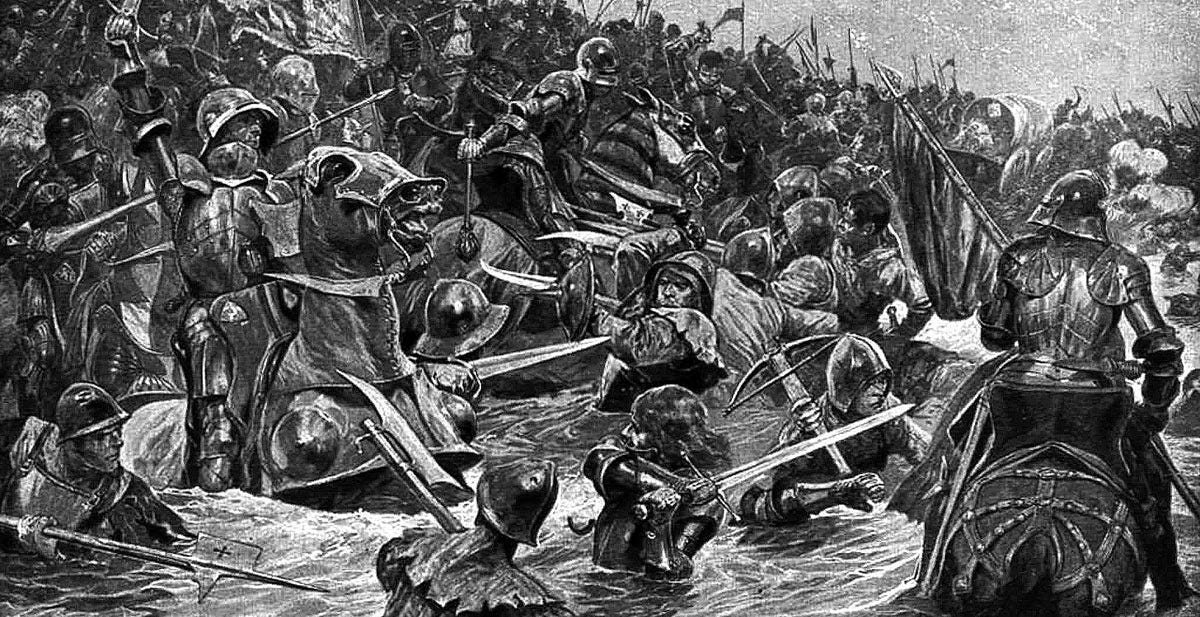
Similarly, some professional "victories" come at too high a cost—damaging culture and relationships through excessive retaliation or internal conflict, outweighing short-term gains.
Concluding remarks
The outcome of Towton profoundly changed England's political landscape. It decimated the Lancastrian leadership, with thousands of nobles and common soldiers lost in a single day. The northern aristocracy—the backbone of Lancastrian power—was virtually eliminated, allowing Edward IV to redistribute lands and power to his supporters.
This redistribution of power teaches us that decisive victories don't just resolve immediate conflicts; they reshape the competitive landscape.
Not gonna lie, recently I’ve been reconsidering the ethics involved in such competitive and brutalist practices. While my interests lie deeply intertwined with capitalism (a polished way of saying I like to make money), I guess losing someone close to you makes you reconsider the value of life.
And isn't all gain at someone else's expense?
Anyways, ts got way too deep—as always, comment any requests or suggestions 🫶
Disclaimer:
This article analyzes historical military tactics and strategies solely for extracting business and organizational insights. The analysis is purely academic and does not endorse any military actions, ideologies, or participants in any conflict. The author explicitly condemns all forms of warfare that result in human suffering and rights violations. This study follows scholarly traditions of examining historical events to understand organizational principles while firmly rejecting their destructive and unethical elements. All insights are intended only for positive applications that create sustainable value and enhance human welfare.